
Cleaning your own panels is not against any regulation and will not get you into trouble for trying. The two things that can actually go wrong are a fall, which is obvious, and a warranty claim that quietly stops being valid, which is not. The second one is the reason this is worth five minutes’ thought rather than just fetching a hose.
Two separate risks, and only one of them is about falling
The safety risk is the one everyone already weighs correctly: working at height on a pitched roof is genuinely dangerous, and most people either have the access to do it safely or they do not. The risk that gets missed is different in kind. It has nothing to do with getting hurt, and everything to do with what method was used — because that is what a manufacturer’s warranty terms are usually written around.
What warranty terms usually require
Every manufacturer’s terms are their own document, and we are not any manufacturer’s approved installer, so nothing here is a claim about your specific panels or your specific paperwork — check what you actually have. But the pattern across this industry is consistent enough to be worth knowing before you start:
- An approved or specified cleaning method, usually soft water and a non-abrasive cloth or brush, with detergents, solvents and pressure washers commonly excluded outright.
- No standing or kneeling on the panels, which cracks cells invisibly from above — the glass looks intact and the output quietly drops.
- No contact with the frame edges or the junction boxes, where a warranty is more often actually voided than by anything done to the glass itself.
What actually damages a panel
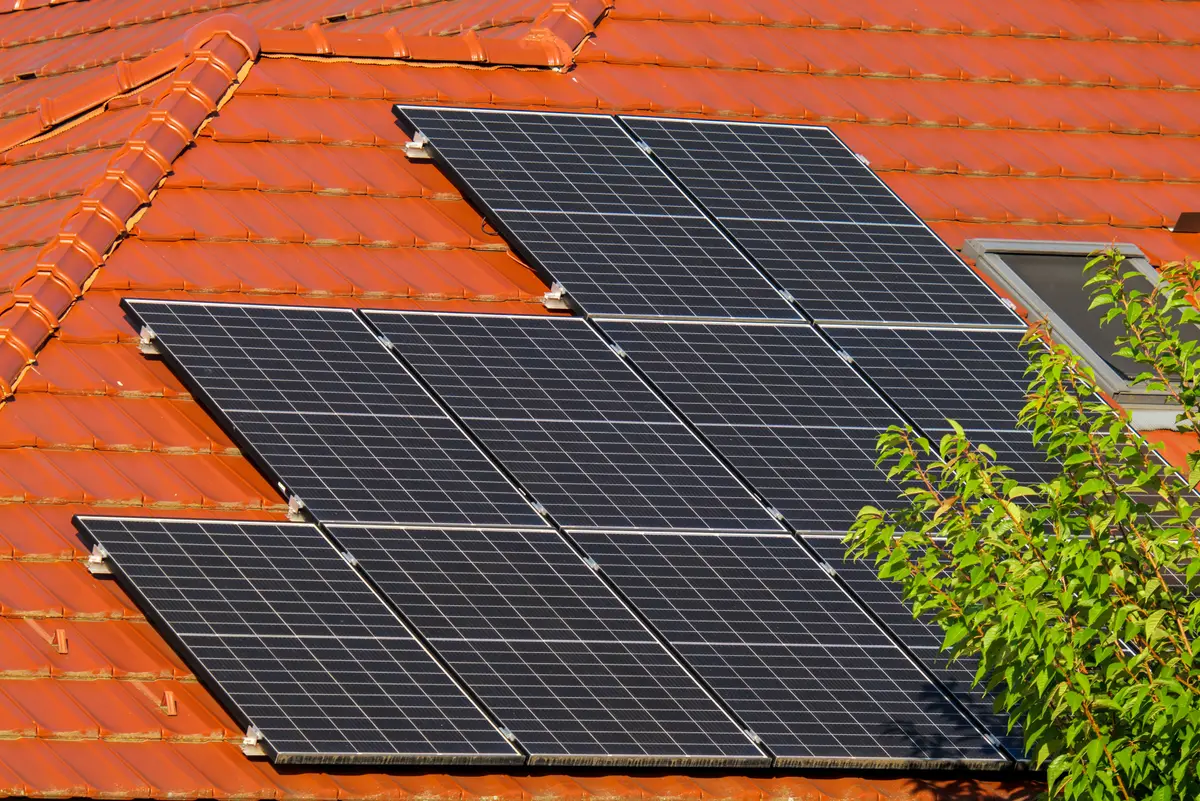
Not the water, and rarely the height. The damage comes from three specific habits, all of which feel like reasonable ways to get a better result:
- An abrasive pad or a stiff brush, used because a soft cloth is not shifting a stubborn mark. Solar glass carries an anti-reflective coating that a scouring pad removes permanently — the panel then scatters light instead of admitting it, for the rest of its life.
- A jet washer held close to make faster work of it. The panels themselves survive water fine; what it drives is water forced under the frame seal, into the junction box behind the panel, which is where the actual electrics are.
- Hard water left to dry rather than rinsed and worked dry. Mineral deposits etch glass over repeated cycles in a way one clean never shows, which is why a method that looks fine on the day can still be the wrong one.
When doing it yourself genuinely is fine
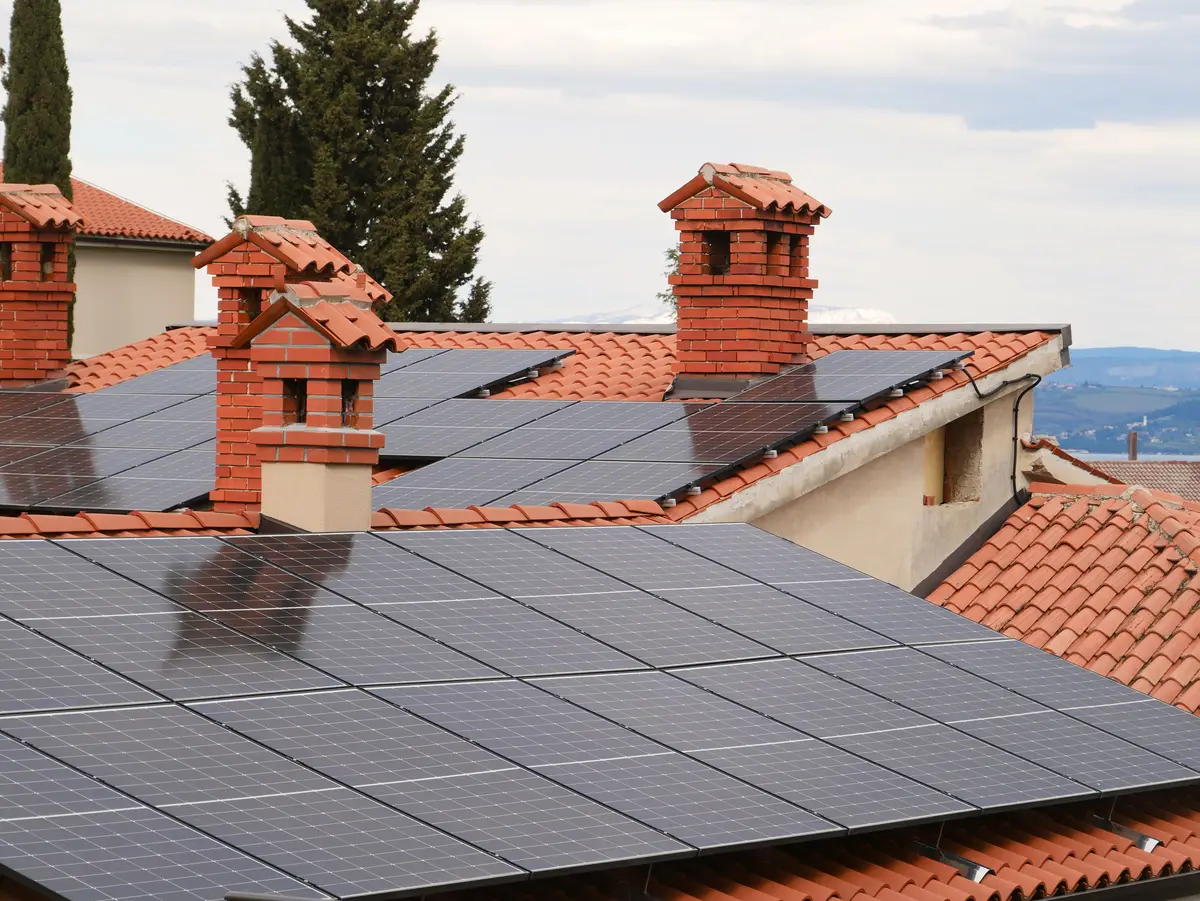
For a single-storey roof, a ground-mounted array, or anything reachable safely with a long-handled soft brush and a hose, there is no reason to pay anyone. Plain water, a non-abrasive brush head, and working from a stable position on the ground covers most of what needs doing. On a steeply pitched array, rain also does more of the work than people expect between visits, so the honest answer for a lot of houses is that nothing needs to happen at all for long stretches of the year.
When it stops being a DIY job
Height is the obvious line: anything needing a ladder against a pitched roof rather than a pole from the ground is where the safety case, not the warranty case, decides it. Beyond that, two things are easy to miss from the ground and are exactly what turns a clean panel into a still-underperforming one: lichen creeping in from the frame edges, which shades whole cells rather than dimming the panel evenly and costs more output than its size suggests, and a gutter or box gutter silting up beneath a conservatory-mounted array, which shows up as a leak long before anyone thinks to check the panels above it.
If either of those is in play, or the access genuinely is not safe from the ground, conservatory and solar panel cleaning sets out how we do it with deionised water and nothing abrasive anywhere near the glass.