
Glan Exteriors

Roof cleaning

Roof Cleaning & Moss Removal

Irish roofs grow moss because the climate is built for it — mild, wet, and rarely dry for long. The work is removing it without damaging the tiles underneath, which rules out the pressure washer most people picture.

Transformation

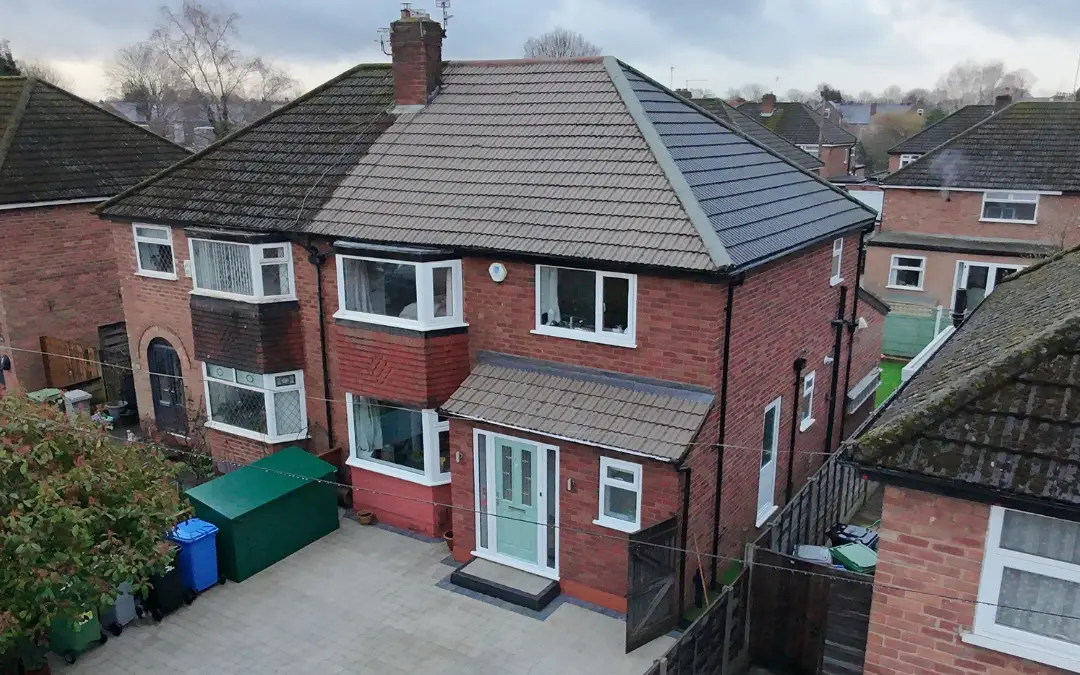
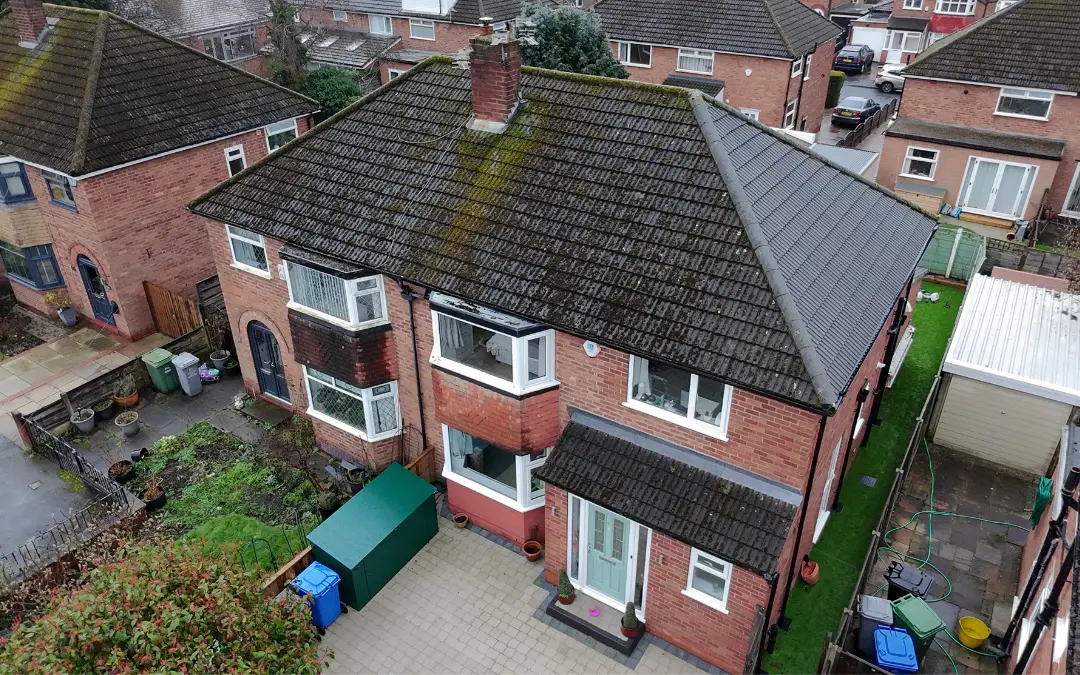
Moss removal on a semi-detached roof

Heavy moss across the whole north pitch, with growth thick enough at the ridge to hold water against the tiles.

The same roof after moss removal, tiles clear and even in colour
Roof covered in moss across the full pitch before cleaning
BeforeAfter
Drag the photo, or use the slider. Left of the divider: before. Right: after.

What we did

Moss removed, the roof soft washed at low pressure, and the gutters cleared of the debris that came down with it.

More before and afters

Method

Why the method matters more than the machine

Two quotes for the same roof often describe the same outcome and completely different work. This is where they differ.

Pressure is what damages a roof

A high-pressure lance takes moss off a concrete tile along with the granular surface that protects it. The roof looks excellent for a season and is then more porous than it was, which means it holds more water, grows moss faster, and freezes harder in winter. The damage does not show up until well after the invoice is paid, which is precisely why the method has to be decided before the machine is chosen.

Soft washing removes it by killing it

Bulk moss is scraped or brushed off, then the roof is treated with a biocide at low pressure and left to work. The remaining growth dies at the root and weathers off over the following weeks, so the roof keeps improving after we leave. It is slower to look finished than a pressure wash, and that is the reason the result lasts rather than returning by the next autumn.

The gutters take everything that comes down

Anything removed from a roof ends up in the gutter, so clearing the run afterwards is part of the job rather than an extra. A roof cleaned without the gutters being cleared has swapped one problem for a worse one, because a blocked gutter damages the wall underneath it.

Access decides most of the price

A bungalow reachable from the ground and a three-storey roof over a conservatory are the same cleaning and completely different jobs. Where the roof can be treated with long-reach equipment from ground level, it is. Where it genuinely cannot, that is a tower, and it is quoted in rather than improvised on the day from a ladder.

Nobody should be walking on your tiles

Concrete and clay tiles are not designed to carry a person, and slate least of all. Weight on a roof cracks tiles that were sound, and the cracks are found later by water rather than by anyone looking. Ground-level or tower access is safer for the operator and for the roof.

Being straight about it

When a roof should not be cleaned

A roof with cracked, slipped or delaminating tiles should be repaired before it is cleaned, not after. Cleaning does not fix a roof and it will find every weakness that is already there, which is a useful survey and an expensive way to discover one. Fibre cement and some older concrete tiles reach a point where the surface is friable, and at that point the honest answer is that cleaning will take material off regardless of method.

We will also say when the work is not worth doing. A roof within a few years of replacement gains very little from being cleaned, and the money is better kept for the replacement. If that is what we find, that is what we will tell you — and if the growth is coming down into blocked gutters, the gutters are the job that actually needs doing.

Get your roof quoted

Useful to send: a photo of the roof from the ground on the worst side, and one of the house from far enough back to show the height and how close we can park. That is usually enough for a free quote without anyone visiting.

Request a Quote

Questions

About roof cleaning and moss removal

Will cleaning damage my roof tiles?

It can, and the method is what decides it. High pressure strips the granular surface from concrete tiles and can drive water under laps and into the roof space; on old or delaminating tiles it breaks them outright. Soft washing at low pressure with a biocide treatment does not, because it is chemistry rather than force doing the work. Slate, clay and concrete each behave differently, and a fragile roof is a reason not to clean it rather than a reason to be slightly gentler.

How long will the roof stay clean?

Longer with a biocide treatment than without, and beyond that it depends on the roof rather than on the cleaning. North-facing pitches, roofs under overhanging trees, and anything that stays damp because it never gets direct sun will regrow fastest. Anyone quoting a specific number of years for a roof they have not seen is guessing, and a roof that is only scraped rather than treated will usually look poor again within a season.

Is roof moss actually a problem or just appearance?

Both, and the practical problem arrives before the appearance bothers most people. Moss holds water against the tile, which matters in a freeze because water expands. It sheds continuously into the gutters, which is how a roof problem becomes a drainage problem and then a damp wall. Thick growth at the ridge and in the valleys blocks the paths water is supposed to take. None of that is urgent in the way a leak is, but it does not improve on its own.

What do you spray on the roof?

The treatments used in this trade are biocides, applied at controlled dilution, and they are the standard products for the work. They are still chemicals and are treated as such: beds and lawns beside the elevation are soaked before and after so anything that drifts is diluted immediately, runoff is directed to a gully rather than a border, and ponds are covered rather than rinsed. Pets stay indoors while an elevation is being treated and until it has dried.

Can a roof be cleaned in Irish weather?

Most of the year, yes, and this is routine work in a wet climate. What actually stops a job is wind rather than rain, because a treatment applied in a strong breeze goes where the wind takes it, and long-reach poles are unmanageable at height. Frost is the other one, since a treated surface needs to not freeze before it has worked. Both mean moving a date, which we would rather do than rush a job in the wrong conditions.

Moss on the roof?

Send a photo of the worst side and we will tell you what it needs, what it does not, and what it costs.

Call Now085 169 0593Get a Quote