
Ask for a roof to be cleaned and there is a fair chance the quote will come back with a second line: a coating, sealer or “restoration” to go on afterwards, often costing more than the clean itself. Sometimes it is worth having. Often it is not. Here is how to tell which is which, from a business that would rather explain it than sell it.
What a roof coating actually is
A roof coating is, in most cases, a pigmented paint sprayed onto concrete tiles after they have been cleaned, sometimes over a clear primer or sealer. It is sold under a lot of names (sealing, restoring, refurbishing, nano-coating), but the thing on your roof afterwards is a layer of coloured film over the tiles.
What it can do
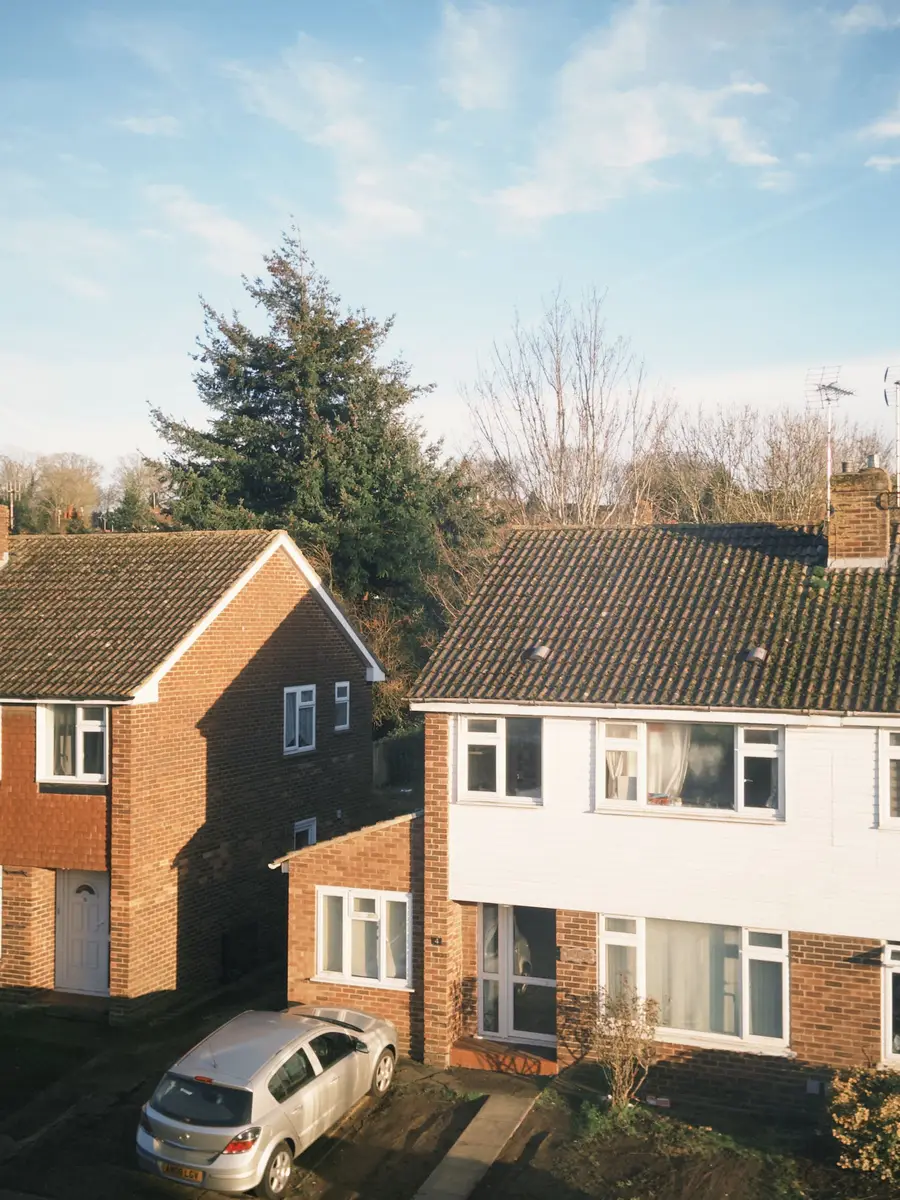
- Restore colour. Concrete tiles lose their surface colour over decades, and a coating brings back an even colour, or changes it. That is the main benefit, and it is real.
- Even out a patchy roof. Straight after a clean, tiles that were under moss come up a different shade from tiles that were exposed. A coating hides that at once instead of letting it even out over months.
- Slow regrowth for a while. A smooth, sealed surface gives spores less to hold on to than weathered concrete does. How long that lasts depends on the product, the roof and its exposure.
What it does not do
- It does not waterproof the roof. A tiled roof keeps water out through the overlap of the tiles and the underlay beneath them. If a roof leaks, the cause is a slipped or cracked tile, failed flashing, or a perished underlay. Paint over the top does not fix any of those.
- It does not repair tiles. A cracked tile under a coating is still cracked, just harder to see. Any broken or slipped tiles should be replaced before anything goes on.
- It does not end maintenance. Coated roofs still grow moss eventually, still need their gutters cleared, and in time need recoating. Once a roof is coated, you are signing up to a recoating cycle rather than leaving it.
Where it goes wrong
Coatings that fail tend to fail in one of a few predictable ways, and they are worth knowing before agreeing to one:
- Bridged overlaps. The gap where one tile overlaps the next has to stay open so water can drain and the roof can dry. A thick coating sprayed carelessly can seal that gap, and water then sits in the joint, or is drawn up into it, instead of running off.
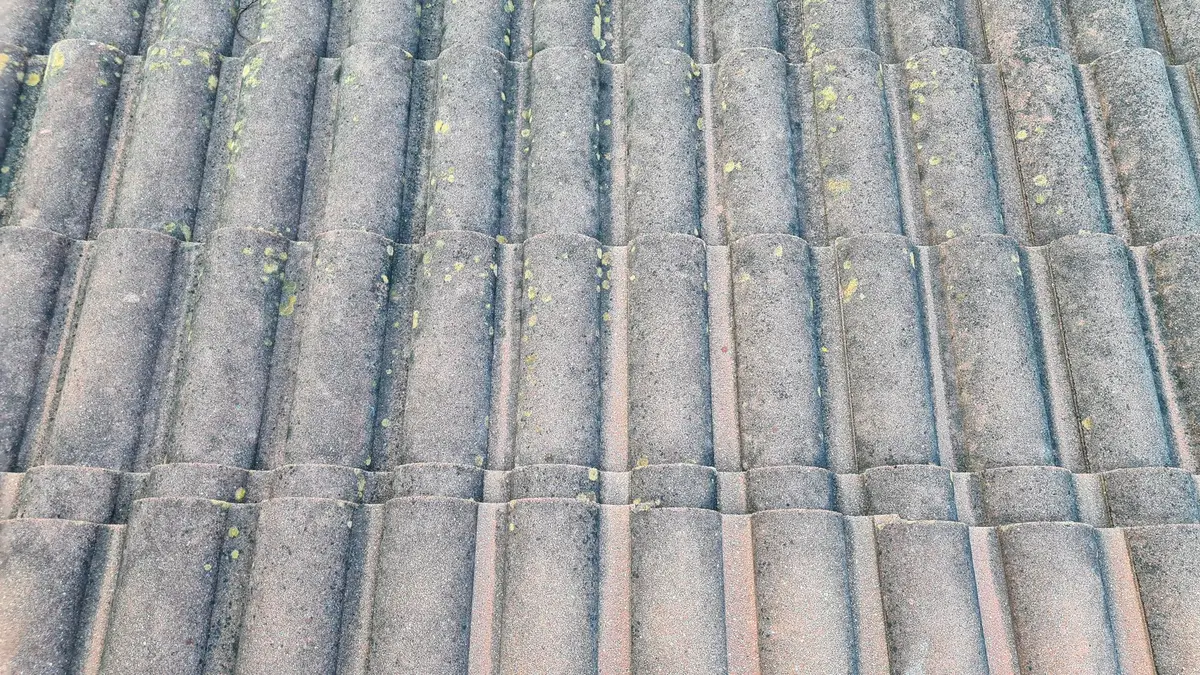
- Peeling. A coating needs a clean, sound, dry surface. Applied over growth that was not killed, over dust, or onto a roof that had not dried out, it lifts and flakes. A peeling coating looks worse than the faded tiles it replaced, and it is harder to put right.
- The wrong roof. Coatings are designed for concrete tiles. Natural slate and clay hold their colour and do not need it, and painting slate is generally regarded as a mistake that is very hard to reverse.
Questions to ask before agreeing to a coating
- What is the product, by name? You can look it up. A contractor who will not name it is asking you to trust a label you will never see.
- How will the overlaps be kept open? There should be a clear answer, not a reassurance.
- What happens to broken tiles first? They should be replaced before coating, and itemised on the quote.
- What does the guarantee cover, and who stands behind it? A long guarantee is only worth something if it is in writing, says what it covers (peeling? colour? leaks?), and is backed by a business that will still be there to honour it.
- Can I see a roof you coated several years ago? Not a photograph on the day: the roof itself, from the street.
So, is it worth it?
For most Dublin roofs, a proper clean with a biocide treatment is the job, and nothing more is needed. The treatment is what slows regrowth, and the patchiness evens out on its own over a few months; both are explained in how roof cleaning works.
A coating is worth considering when the concrete tiles are sound, the faded colour genuinely bothers you, and you accept that you are choosing a cosmetic finish that will need maintaining. It is not worth it as a fix for a leak, as a substitute for repairs, on slate or clay, or when the decision is being made on the doorstep with a price that is “only for today”. For more on that last one, see hiring a roof cleaner in Dublin.