
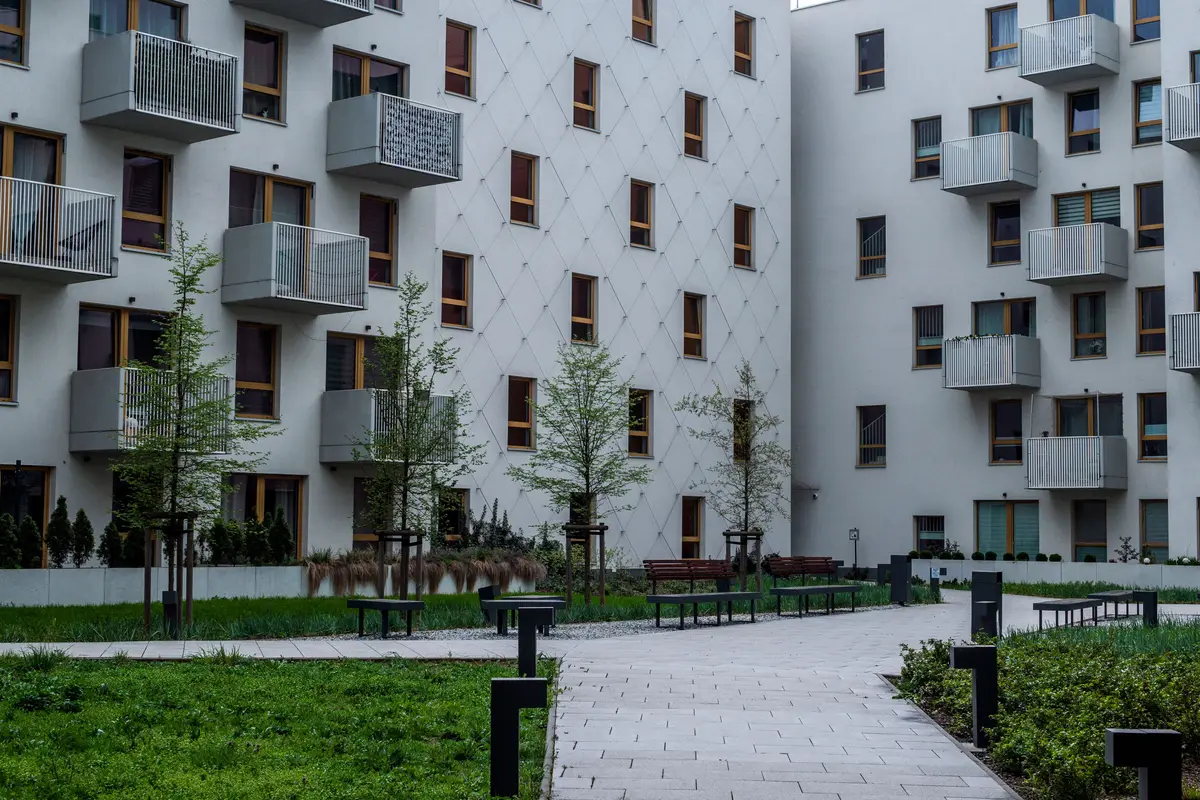
A shared forecourt, visitor parking area or entrance driveway in a managed Dublin estate is very often the worst-looking surface on the whole development, and it is rarely because nobody cares. It is because nobody has a clear route to actually booking the work.
Why nobody’s driveway is everybody’s driveway
On an individual house, the decision to get a driveway cleaned is a five-minute one call for one person to make. On a managed estate, the shared surfaces are typically owned by an Owners’ Management Company (OMC) — a company every homeowner is a shareholder in — and run day to day by a managing agent or a voluntary residents’ committee. That structure is exactly why communal areas fall behind individual gardens: there is no single person whose job it obviously is, and a job that is everyone’s responsibility in principle tends to be nobody’s in practice until someone raises it formally.
Who can actually authorise the work
This varies by development and is set out in the OMC’s own management agreement rather than by any general rule, so the honest starting point is checking that document or asking the managing agent rather than assuming. In practice it is usually one of:
- The managing agent directly, for routine maintenance under whatever spending limit their contract with the OMC allows without a vote.
- The OMC board or committee, for anything above that limit or anything not already budgeted for.
- A vote at an AGM or EGM, rarely, for a larger one-off job like resurfacing rather than cleaning — a routine power wash is very unlikely to need this level of sign-off.
A resident raising it is nearly always the actual trigger, even when the formal authorisation sits with the agent or the board. Asking directly whether communal cleaning is already budgeted for that year is a reasonable first question for any resident to put to their managing agent.
How it usually gets paid for
Communal cleaning is normally funded from the annual service charge every homeowner in the development already pays, under whatever line item covers grounds and communal maintenance. That means it is frequently already provided for in the budget without needing a special one-off collection — the gap is usually that nobody has scheduled it, not that the money is not there.
What an OMC or managing agent should ask a contractor for
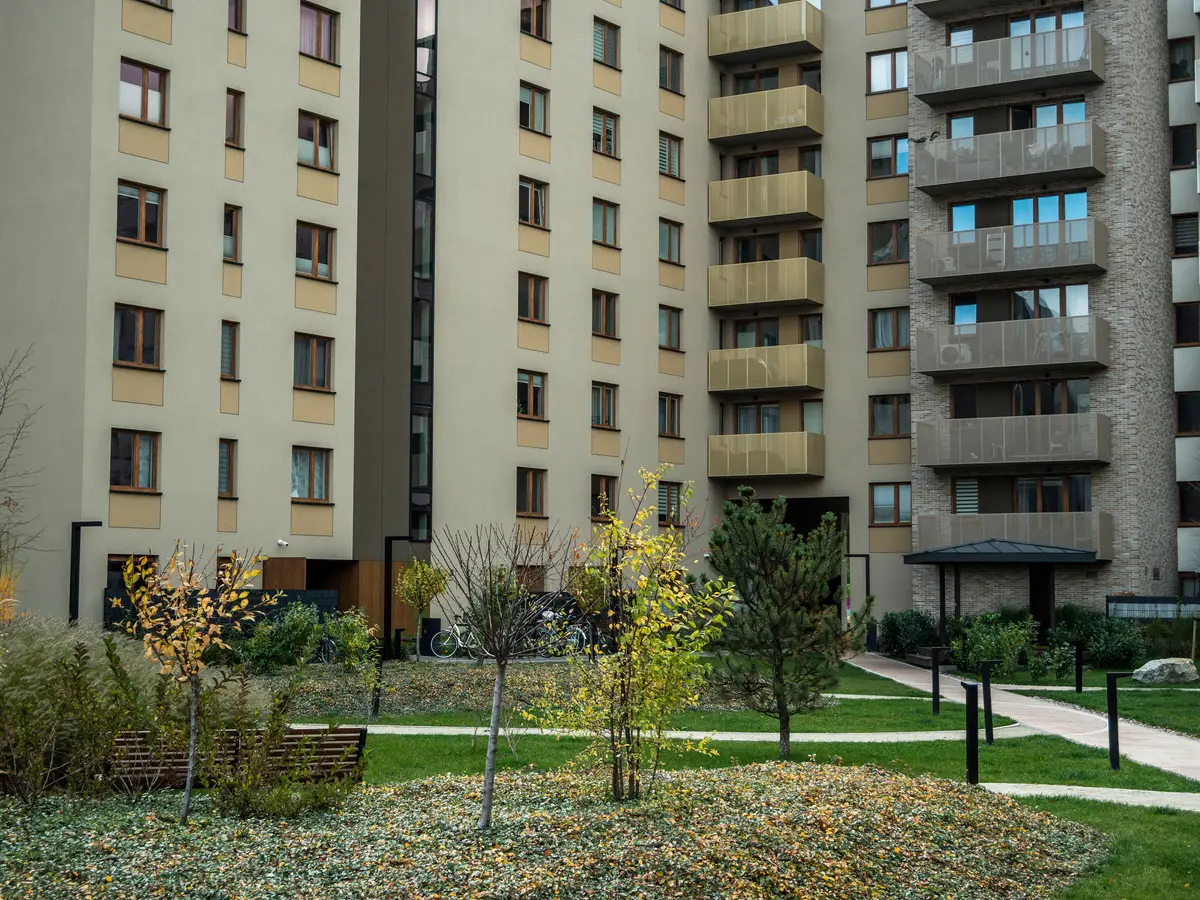
The documentation expectations here are the same ones set out in commercial exterior cleaning for any managed site — insurance on request, a method statement for the actual area rather than a generic one, and photographic before-and-after records the committee can point to when residents ask what the service charge is being spent on.
Two points specific to a residential estate rather than a commercial one: access needs coordinating around residents’ cars and bin collection days rather than trading hours, and it is worth agreeing up front how residents will be told work is happening — a notice on the communal noticeboard or a message to the residents’ group a few days ahead avoids the most common complaint, which is not the work itself but being surprised by it.
For the driveway itself once the work is agreed, the surface-by-surface method is identical to any private driveway — see driveway and patio cleaning for how block paving, tarmac and resin are each actually treated.