
Most roof cleaning problems are decided before anyone climbs a ladder: at the point where the homeowner agreed to a price without knowing what it covered. This guide is the list of questions that separates a careful contractor from a fast one, whoever you end up hiring.
Eight questions worth asking
- How will you get to the roof? Long-reach poles from the ground, a ladder, a tower, or a cherry picker. Access is the biggest variable in both cost and risk, and a good contractor will have decided it from looking at the house, not on the day.
- Will anyone walk on the tiles? Concrete tiles, slate and fibre-cement are not designed to carry a person, and a cracked tile is found later by the rain rather than by anyone looking. Ask the question directly.
- What is my roof made of, and how does that change the method? Anyone who has looked at the roof should be able to answer this. If you are not sure yourself, see slate, concrete and fibre-cement roofs.
- Will you use a pressure washer on it? On concrete tiles, high pressure strips the surface finish and the roof regrows faster afterwards. On slate it drives water into the overlaps. The answer you want explains why not.
- What is the treatment, by name? The biocide is the part of the job that decides how long the result lasts and the part you cannot see happening. A biocidal product legally on the market in Ireland carries a registration number on its label (in the form PCS or IE/BPA followed by digits). A contractor should be happy to tell you what they use.
- Are the gutters included, and when are they done? They should be cleared after the roof, not before, because the roof is about to fill them.
- What happens to the moss and the run-off? A heavy roof sheds a lot of material. Ask how the paths, borders, drains and any pond will be protected, and who clears up.
- Are you insured? Ask for public liability insurance in the business’s name, and do not be shy about asking to see the certificate.
What the written quote should say
A quote that says “roof clean, €X” has told you nothing you can hold anyone to. A useful one, by email or on paper, states:
- the method, and confirmation of no high-pressure washing on the tiles;
- the treatment, and that it is included;
- gutter and downpipe clearing, if included;
- the access equipment, and whether its cost is in the price;
- whether VAT is included;
- that existing damage (cracked or slipped tiles) will be photographed and shown to you before work starts.
That last point protects both sides. If a tile is found broken afterwards, a photograph from before settles whether it was already broken. Why each stage matters is set out in how roof cleaning works, and why quotes for the same roof vary so widely is in what roof moss removal costs.
Doorstep red flags
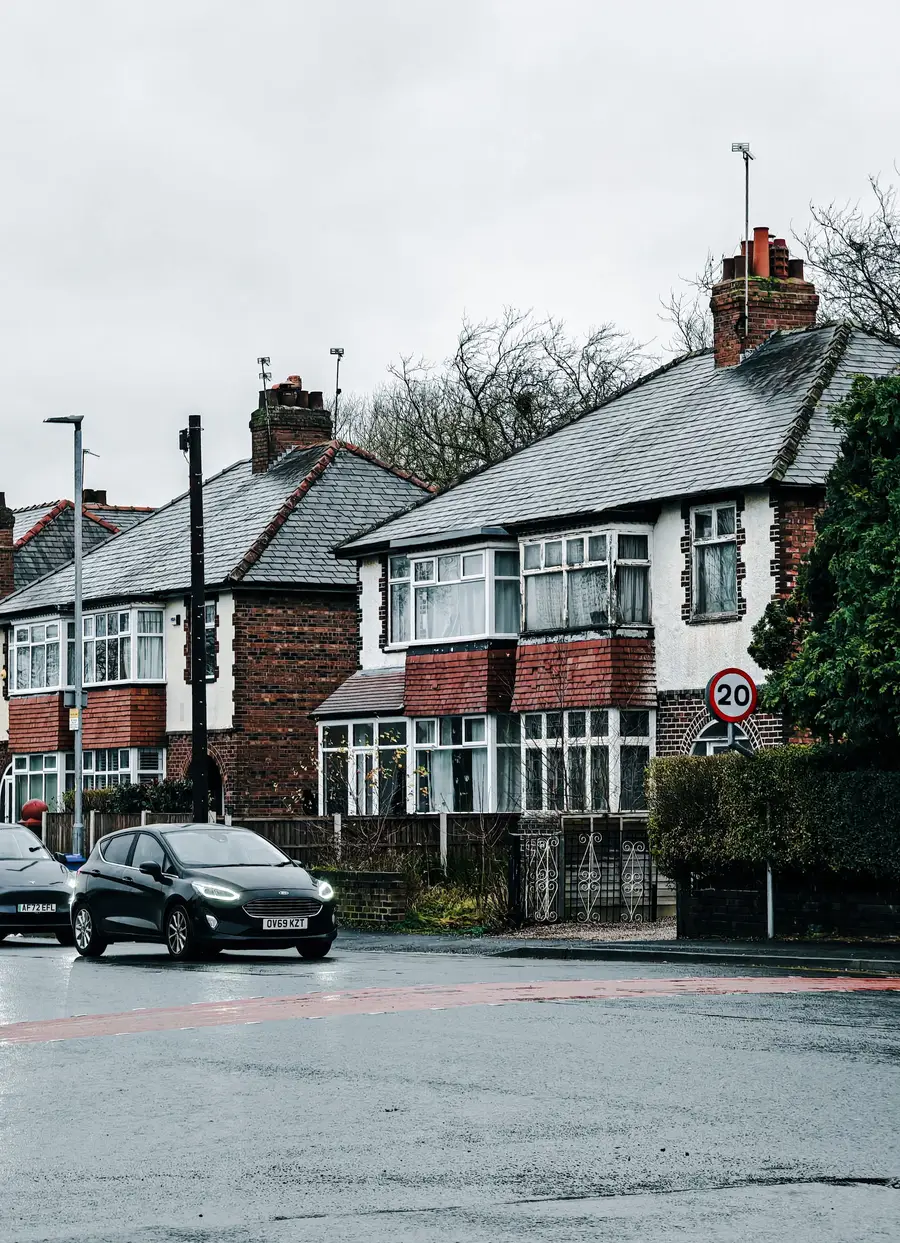
Plenty of decent tradespeople find work by knocking on doors. But roofs attract a particular kind of doorstep sale, because the homeowner cannot easily check what they are being told. Be wary of any of these:
- “We noticed your roof while working down the road.” Perhaps they did. It is also the standard opening line.
- A price that is only good for today, or a discount because they “have materials left over”.
- Damage discovered once they are up there. If someone comes down with bad news and a bigger price, ask to see photographs, and get a second opinion before agreeing to anything extra.
- A coating added on the spot. Whether a coating is worth having is a decision for a calm evening, not the doorstep. See roof coating after cleaning.
- A pressure washer, and someone walking on the roof. If you see both on a concrete-tiled roof, it is fair to ask them to stop.
- No written quote, no business name and address, a large cash deposit before any work, or pressure to pay in full before the job is finished.
If you agreed to something on the doorstep
Irish consumer law gives you more room than many people realise. According to the Competition and Consumer Protection Commission, if you sign up to a service on your doorstep, your cooling-off period is 30 days, starting from when you agree the service contract. If the business does not tell you about your right to cancel, that right is extended by 12 months.
If you cancel a service you have already asked them to start, you may have to pay for the part already done. So the safest course is not to let work start on the day of a doorstep offer. Take the details, look the business up, and get another quote.