
There is no single answer to how often a commercial site should be cleaned, and anyone who gives you one number for every property is answering a different, easier question. The real answer is set by the sector, the footfall, and who is liable if someone falls — not by a fixed calendar.
Frequency by sector, not by calendar
Forecourts, car parks and entrances see constant footfall and vehicle traffic, plus fuel, oil and grit depending on the site. These want the shortest interval on this list, because grime and moss build back up fastest exactly where the most people are walking.
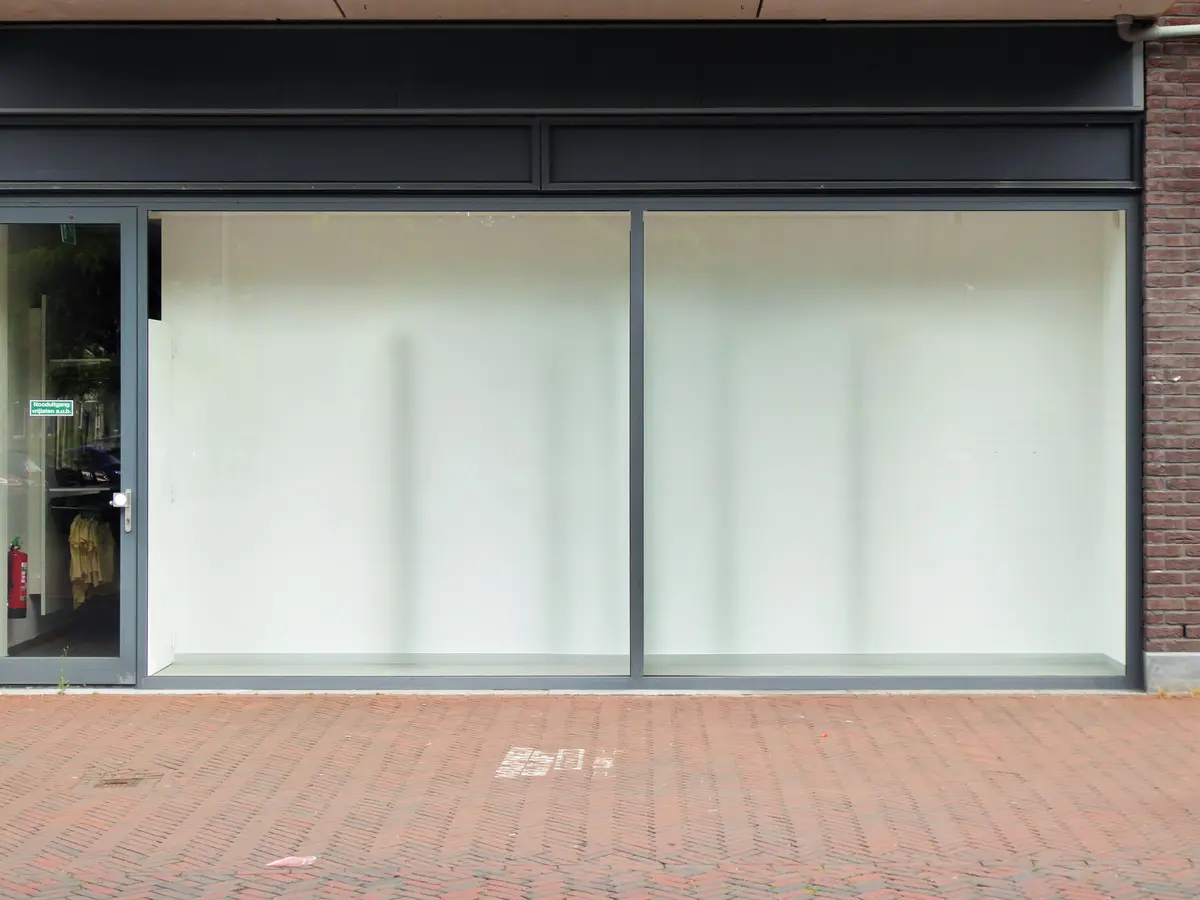
Retail units and shopfronts are judged on sight by every passer-by, so the frequency that matters is the one that keeps the frontage looking presentable between visits — often shorter than the actual soiling would justify on its own, because appearance is the point of the spend.
Offices and business parks generally need less: the same small number of people use the entrance each day, footfall is lower than retail, and a longer interval rarely shows.
Apartment blocks and managed developments are usually seasonal rather than regular — gutters cleared before winter matter more than a fixed monthly visit, and render or brickwork on a block is typically an annual or biennial job rather than something done more often.
Schools, colleges and nurseries are driven by term dates rather than by how dirty anything looks. Holiday windows are when access is actually available, so the interval is set by the calendar of the institution, not by the state of the building.
Pubs, restaurants and hotels sit closer to retail: the frontage is part of the trade, so the interval tends to track footfall and how visible the entrance is from the street.
Why scheduled beats reactive on a commercial site
A recurring schedule is nearly always cheaper per visit than the same work booked when someone finally complains, because it can be planned and combined with other visits in the area rather than run as a one-off. It also removes a specific kind of cost that is easy to miss: the period a site spends looking neglected before anyone acts on it, which is a cost to the business even if no invoice reflects it.
Reactive cleaning has one advantage — nothing is spent until something is visibly wrong — and it is a real one for a low-footfall site where appearance barely matters between visits. It is the wrong choice everywhere a slippery surface or a blocked drain is a safety issue rather than a cosmetic one, which is most of the list above.
The liability angle, which residential cleaning does not have
A green, mossy entrance step or an oily forecourt is not just untidy on a commercial site — it is the kind of thing an insurer or a customer’s fall claim turns on. That is the real difference between a homeowner deciding a roof can wait another season and a facilities manager deciding a forecourt cannot: the downside of waiting is a different order of problem entirely. It is also why the interval on a commercial site is usually set conservatively rather than trimmed to save money — the saving on a missed visit is small next to what an incident costs.
Building a schedule across more than one site
On a portfolio, the interval question gets asked once per property type rather than once per building. A managing agent with ten retail units and three apartment blocks is really setting two schedules, not thirteen — each unit type gets the interval its own footfall and liability profile calls for, and the properties within a type follow the same one. Grouping visits geographically within that schedule is what keeps the per-visit cost down without changing the interval itself.
The paperwork side of that — per-site pricing that stays checkable against an invoice, method statements written for the actual site rather than a template — is covered in commercial exterior cleaning, alongside what the access and out-of-hours arrangements look like once a schedule is agreed.